How Verification Protocols and Spending Limits Operate Under Swiss Online Casino Licensing Requirements
Rosa Becker · Aug 30, 2026
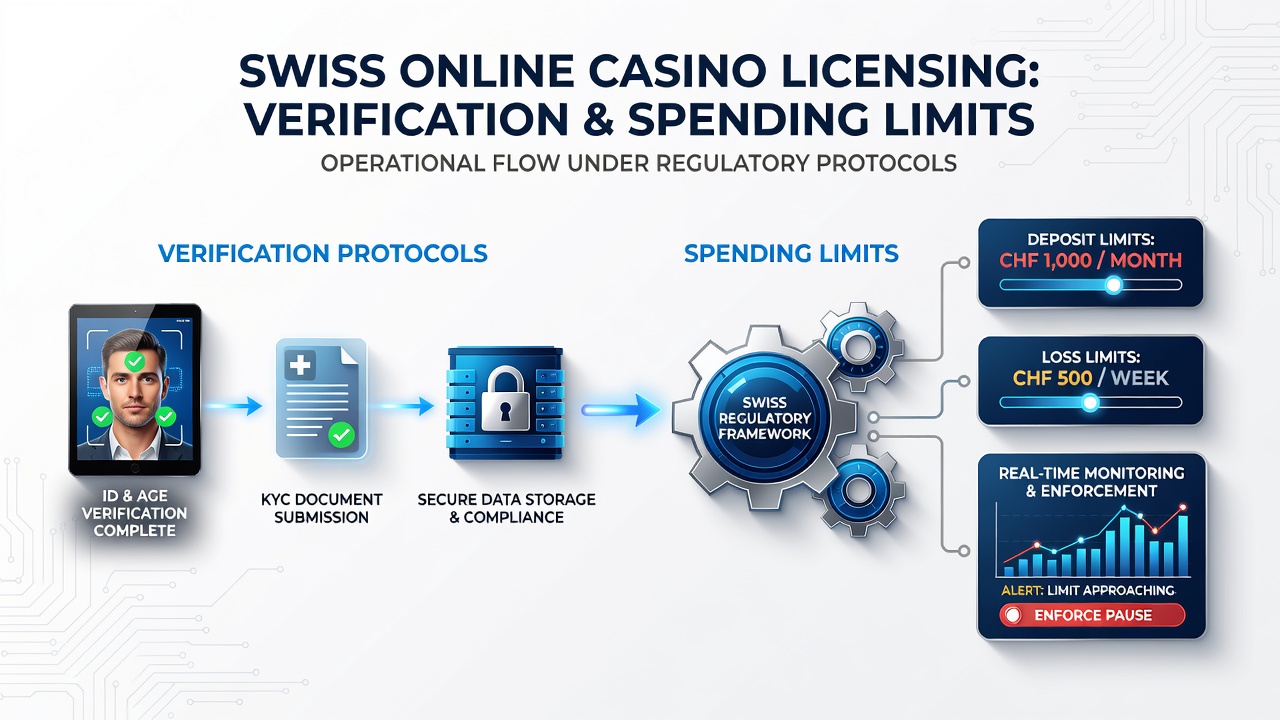
How Verification Protocols and Spending Limits Operate Under Swiss Online Casino Licensing Requirements
Swiss online casino operators must follow detailed rules set out in the Federal Act on Gambling, which came into force in 2019 and continues to shape licensing through 2026. These rules require every licensed platform to implement verification protocols that confirm player identity before any real-money activity begins, while spending limits function as built-in safeguards that apply from the moment an account activates. And because the licensing process demands ongoing compliance checks, operators integrate both systems into a single workflow that regulators monitor through regular audits.
Verification Protocols in Licensed Swiss Platforms
Every applicant submits government-issued identification, proof of address, and a recent photograph during the initial registration phase. The process runs through automated checks that cross-reference data against official records, after which manual review by compliance staff catches any discrepancies. Observers note that Swiss licensing authorities require these steps to occur within 24 hours for most accounts, although complex cases involving foreign documents can extend the timeline. As of August 2026, many platforms now use biometric facial matching alongside traditional document uploads, a development that aligns with updates to digital identity standards issued by federal bodies.
Age verification forms the core of the protocol, since Swiss law sets the minimum age at 18. Operators cross-check birth dates against multiple sources, including national registries and credit databases, before granting access to any game. Researchers at institutions tracking gambling behavior across Europe have documented that such layered checks reduce underage participation rates significantly compared with less regulated markets. When a verification flag appears, the account stays locked until the player provides additional evidence, such as a utility bill or passport scan, which compliance teams examine within strict timeframes.
Spending Limits and Their Integration
Licensed operators must offer players the ability to set daily, weekly, and monthly deposit ceilings, and these limits cannot exceed thresholds established in the licensing conditions. The system automatically enforces the chosen amounts, blocking further transactions once the cap is reached. Data from regulatory reports shows that a substantial portion of active accounts activate at least one spending limit within the first month of play. What's more, operators must display clear reminders about remaining limits and provide easy adjustment tools that still require re-verification for any increase.
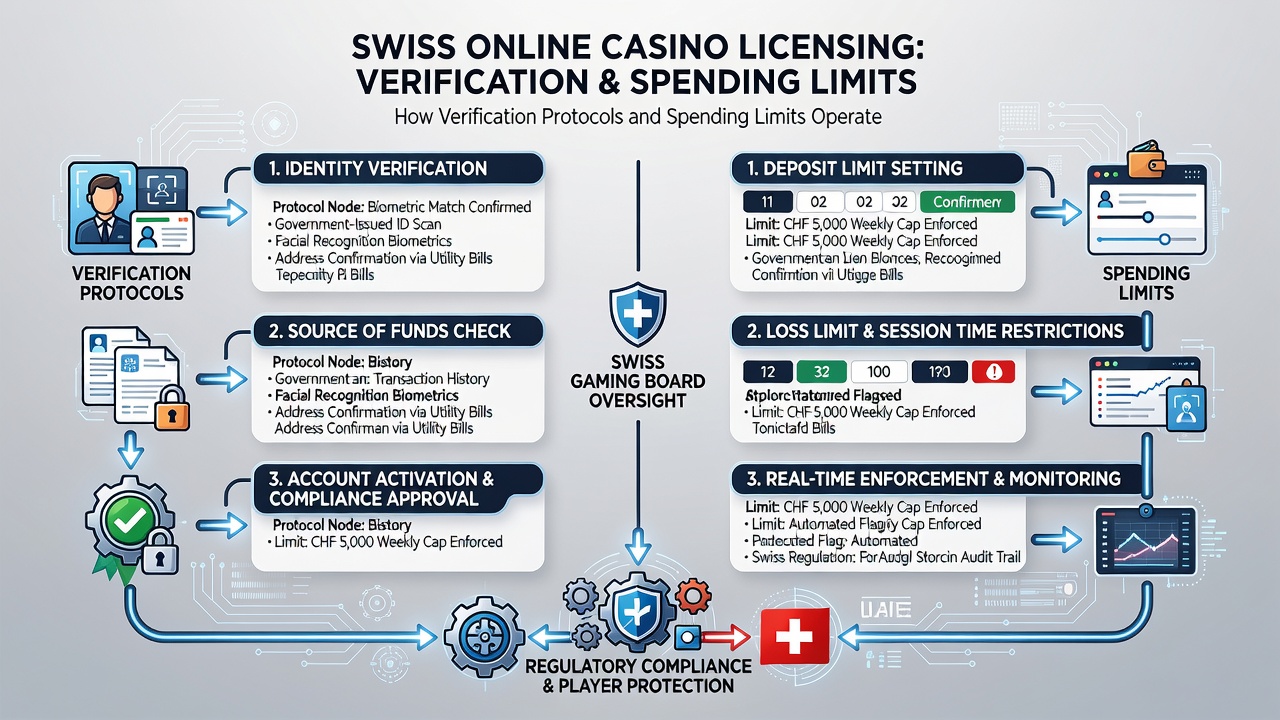
Loss limits operate alongside deposit controls, calculating net losses over rolling periods and triggering alerts or temporary pauses when thresholds are met. Federal guidelines require that these calculations update in real time and that players receive immediate notifications through both the website interface and email. One study conducted by a Canadian research group examining European licensing models found that mandatory loss-limit prompts correlate with lower rates of extended play sessions. And because the rules apply uniformly across all licensed Swiss platforms, players encounter consistent mechanics regardless of which operator they choose.
Regulatory Oversight and Compliance Mechanisms
The Federal Office of Justice and cantonal gaming boards conduct periodic reviews that include sample testing of verification records and spending-limit logs. License holders submit quarterly reports detailing the number of accounts flagged for verification issues and the frequency of limit adjustments. According to figures published by Swiss statistical offices, compliance rates for these reporting obligations have remained above 95 percent in recent cycles. When an operator fails to meet verification standards, authorities can impose temporary suspension of new account approvals or require system upgrades before operations resume.
External audits performed by independent firms add another layer of scrutiny, examining both the technical implementation of verification software and the accuracy of spending-limit calculations. These audits occur at least annually and cover random samples of player data to confirm that no account bypasses the required checks. Industry associations based in Europe have noted that Switzerland's approach combines technical mandates with human oversight, producing a framework that adapts to emerging digital tools while preserving core protections.
Conclusion
Verification protocols and spending limits under Swiss online casino licensing requirements create a structured environment where identity confirmation precedes any financial activity and spending controls remain active throughout the player lifecycle. The rules, enforced through continuous monitoring and regular reporting, ensure that licensed platforms maintain consistent standards as technology evolves. By August 2026, integration of advanced biometric tools and real-time limit systems had become standard practice across the sector, reflecting ongoing adjustments to federal guidelines without altering the fundamental objectives of player protection and regulatory transparency.