How Swiss Regulations Influence the Design of Jackpot Features in Mobile Casino Applications
Jakob Bennett · Aug 21, 2026

How Swiss Regulations Influence the Design of Jackpot Features in Mobile Casino Applications
Swiss gambling legislation, anchored in the Federal Act on Gambling that took full effect in 2019, sets strict parameters for jackpot structures in licensed mobile applications. Operators must obtain approval from the Swiss Federal Gaming Board before deploying any progressive or fixed jackpot mechanic, and this approval process examines payout percentages, pool contributions, and transparency features that appear on player screens. Data from regulatory filings show that mobile apps must display real-time jackpot values with certified random number generators, while contribution rates from each bet stay capped to maintain mathematical fairness across sessions. Those who examine the licensing conditions notice how rules on pooled jackpots extend across multiple operators only when each participant holds a Swiss license, which limits cross-border pooling arrangements common in other markets. Mobile developers therefore build separate jackpot modules that reset or carry over according to predefined thresholds, and these modules integrate directly with player verification systems to prevent underage access during high-stakes play.Core Requirements for Jackpot Certification
Certification bodies require independent testing of jackpot algorithms before any mobile release, and the resulting reports must demonstrate that every possible outcome adheres to published return-to-player figures. Applications cannot hide jackpot contribution percentages in fine print; instead, Swiss rules mandate visible breakdowns within the game interface, often shown through expandable menus that users can access before placing bets. Research conducted by European gaming laboratories indicates that these visibility rules have led developers to redesign progress bars and meter animations so they update instantly after each spin or card draw.
August 2026 marks the next scheduled review cycle for several technical standards, when authorities plan to evaluate whether current mobile jackpot displays meet updated accessibility guidelines for players with visual impairments. Until then, operators continue to follow existing display protocols that combine large numerals with audio cues in supported devices.
Player Protection Mechanisms Embedded in App Design
Loss-limit tools and session timers must interact wth jackpot features so that reaching a personal spending cap automatically pauses participation in any progressive pool. Developers therefore embed API calls that freeze jackpot contributions the moment a player hits a self-imposed boundary, and this integration appears in nearly every approved Swiss-facing application. Observers note that such pauses prevent the psychological escalation sometimes associated with chasing large prizes, while still allowing the jackpot to grow for other active users.
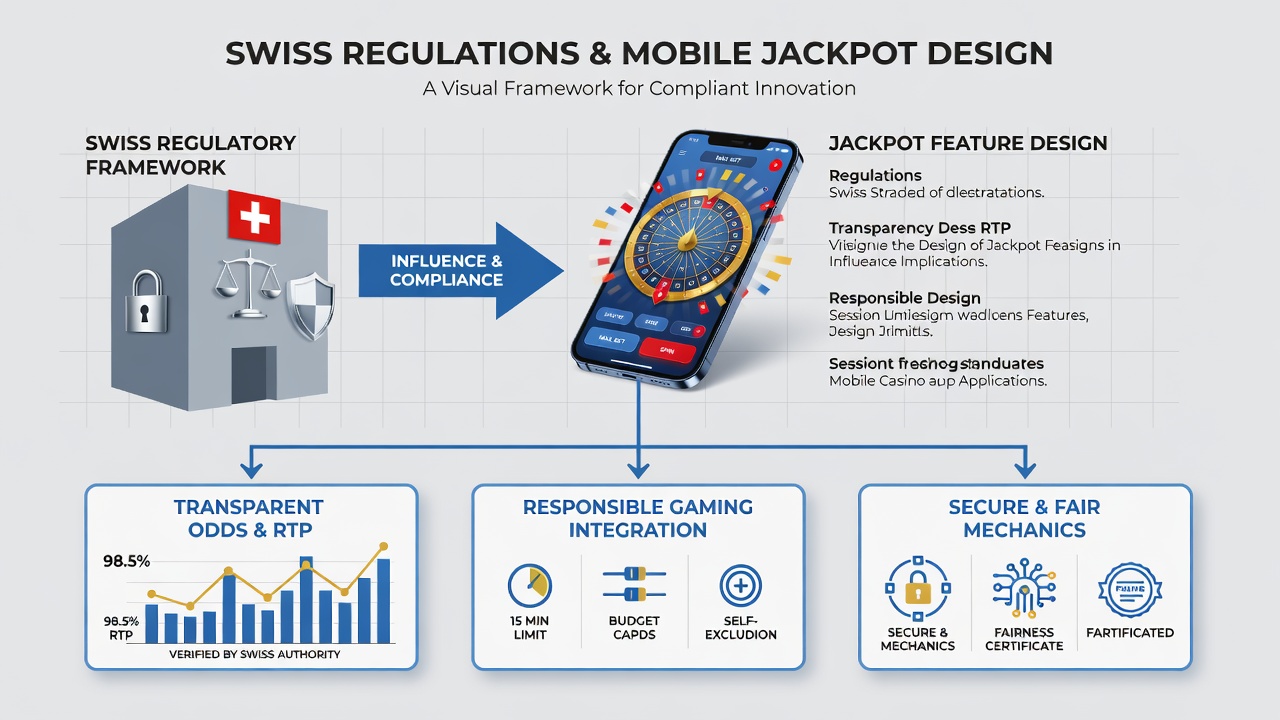
Self-exclusion lists maintained by the national gambling authority sync directly with mobile back-end systems, removing excluded accounts from jackpot eligibility within minutes of registration. This real-time synchronization demands robust database architecture that developers implement using encrypted channels, ensuring compliance audits can verify exclusion enforcement at any point.
Technical Constraints on Progressive Systems
Progressive jackpot pools cannot exceed certain growth rates without triggering additional reporting obligations, and mobile code must log every contribution increment for potential inspection. These logging requirements influence how developers structure server-side databases, often resulting in dedicated tables that separate jackpot data from regular gameplay records. Figures released by industry testing houses reveal that Swiss-certified apps typically operate with lower seed values than unregulated international versions, a direct outcome of rules designed to keep initial prize levels proportionate to average stake amounts.
Because Swiss law prohibits certain bonus structures that could artificially inflate jackpot chances, mobile interfaces avoid promotional overlays that might suggest guaranteed wins or boosted odds. Instead, the design focuses on clear probability disclosures that update dynamically based on current pool size and player count.
Cross-Border Considerations and Market Access
Operators licensed outside Switzerland cannot offer jackpot features to Swiss residents through mobile apps, which forces international providers to geo-block jackpot modules when detecting Swiss IP addresses or device locations. This restriction has prompted several major platforms to create Switzerland-specific app versions that strip out progressive elements or replace them with fixed-prize alternatives. Academic papers from Swiss universities examining regulatory impact document how these bifurcated builds increase development costs yet improve compliance traceability.
One study tracking app store submissions between 2022 and 2025 found that roughly 40 percent of rejected updates involved jackpot-related code that failed to meet transparency or audit-log standards. Developers who successfully navigate the process often publish their compliance documentation publicly, allowing competitors to study accepted patterns without repeating earlier mistakes.
Future Developments and Standard Updates
Planned revisions expected around August 2026 aim to introduce mandatory cooling-off periods after jackpot wins above a certain threshold, requiring apps to display mandatory messages before further play continues. These messages will appear within the same interface layer that shows current jackpot totals, creating a seamless but deliberate interruption in the user flow. Industry associations have already begun consulting with mobile developers on how to implement such pauses without disrupting overall app performance.
Conclusion
Swiss regulations continue to shape every visible and invisible layer of jackpot functionality in mobile casino applications, from initial certification through ongoing monitoring and player safeguards. The resulting designs prioritize verifiable fairness, immediate transparency, and integration with protection tools, producing a distinct technical environment compared with less regulated markets. As standards evolve, developers maintain close coordination with authorities to ensure new features align with both legal requirements and technical feasibility.